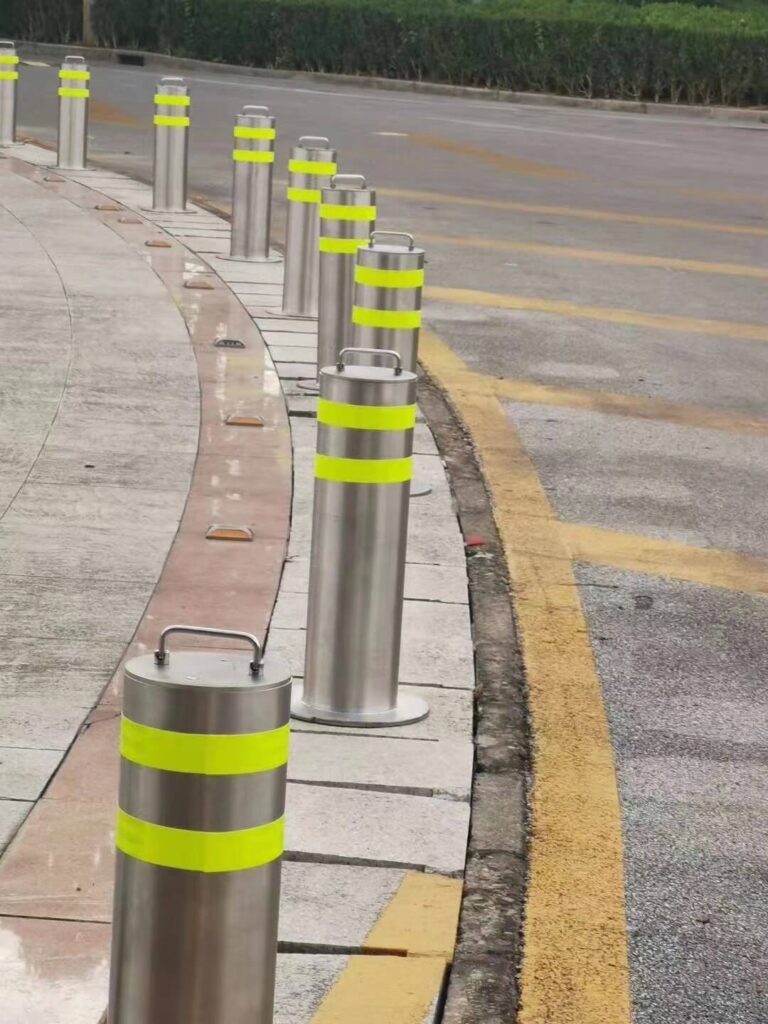

Introduction: Rethinking Bollard Deployment in Modern Infrastructure
Automatic bollards have become indispensable components in contemporary urban planning and security strategies, offering dynamic control over vehicle access in a variety of settings, from pedestrian zones and public squares to commercial entrances and high-security perimeters. Their ability to seamlessly manage traffic flow, enhance safety, and bolster security measures is widely recognized. However, the traditional deployment of automatic bollards, which typically relies on extensive wired electrical connections, often presents a significant hurdle: the substantial upfront installation costs. These costs are not merely a function of the bollard unit price but are heavily influenced by the complex civil engineering and electrical work required to integrate them into existing infrastructure.
For decades, the standard approach involved intricate trenching, laying conduits, pulling electrical cables, and connecting to a main power supply. This process is not only labor-intensive and time-consuming but also fraught with potential complications, including disruption to public spaces, the need for specialized labor, and adherence to stringent electrical codes. These factors collectively inflate project budgets and extend timelines, making the adoption of automatic bollard systems a more daunting prospect for many organizations.
However, a paradigm shift is underway with the advent of battery-powered automatic bollards. This innovative technology promises to fundamentally alter the cost landscape of bollard deployment by decoupling the units from the conventional power grid. By integrating self-contained power sources, these systems dramatically simplify the installation process, offering a compelling alternative that addresses the economic and logistical challenges associated with wired installations. This article delves into the specific ways battery-powered bollards reduce installation costs, examining the direct and indirect savings they offer, and ultimately presenting a more efficient and cost-effective solution for modern access control needs.
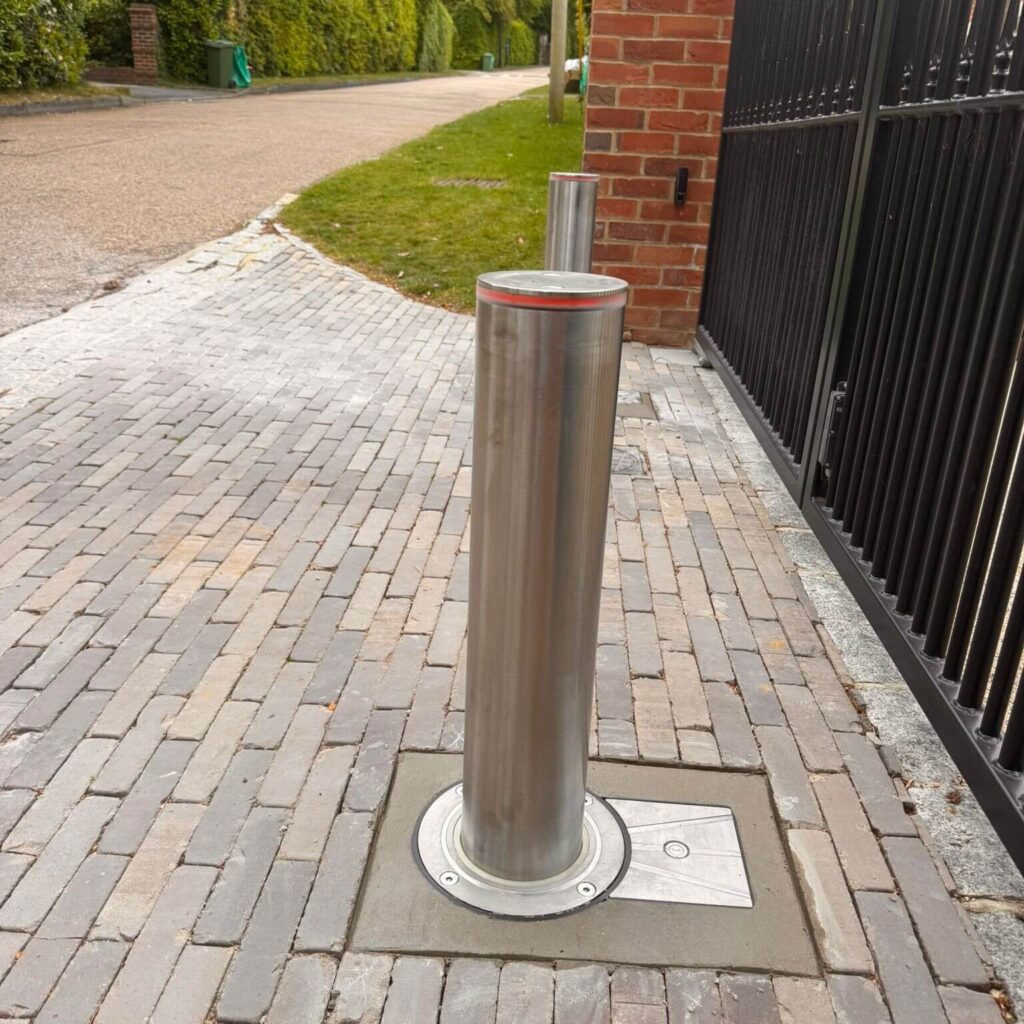
The Intricacies and Expenses of Traditional Wired Bollard Installation
To fully appreciate the cost-saving potential of battery-powered bollards, it is crucial to first understand the multifaceted expenses inherent in traditional wired installations. These costs extend far beyond the purchase price of the bollard units themselves, encompassing a range of civil, electrical, and logistical considerations that can quickly escalate project expenditures. The complexity of wired systems stems from their fundamental reliance on a continuous, hardwired electrical connection, which necessitates significant modifications to the installation site.
Extensive Civil Works: Digging Deep into Budgets
One of the most substantial cost drivers for wired bollards is the requirement for extensive civil works. This typically involves:
- **Trenching**: Excavating long, deep trenches to lay electrical conduits and cables from the power source to each bollard location. The depth and length of these trenches depend on site conditions, local regulations, and the distance to the nearest power supply. This process is labor-intensive and often requires heavy machinery, contributing significantly to labor and equipment costs.
- **Conduit Laying**: Installing protective conduits within the trenches to house the electrical wiring. This ensures the cables are shielded from environmental damage, moisture, and accidental strikes, but adds material and labor costs.
- **Cable Pulling**: The physical act of pulling electrical cables through the installed conduits. This can be a challenging task, especially over long distances or through complex pathways, requiring specialized tools and skilled labor.
- **Backfilling and Surface Restoration**: Once cables and conduits are in place, the trenches must be backfilled, and the disturbed surface—whether asphalt, concrete, paving stones, or landscaping—must be meticulously restored to its original condition. This often involves cutting and breaking existing surfaces, pouring new concrete or asphalt, and ensuring a seamless finish. The cost of surface restoration can be particularly high in urban environments or areas with specialized paving.
For a typical installation involving multiple bollard units, these civil works alone can account for a significant portion of the total project budget. Estimates suggest that for a four-unit entrance, civil work costs can range from $8,000 to $25,000, depending on factors such as ground composition, the distance to the power source, and prevailing local labor rates.
Specialized Electrical Work and Permitting
The electrical component of wired bollard installation introduces another layer of cost and complexity. Connecting automatic bollards to a 220V mains power supply typically requires the services of a licensed electrician. This is not merely a matter of plugging in a device; it involves ensuring compliance with electrical safety standards, proper grounding, and often, obtaining specific permits from local authorities. The cost for a licensed electrician can range from $100 to $200 per bollard unit, and this figure can increase substantially if new conduit runs or panel upgrades are necessary.
Furthermore, the need for permits and inspections for both civil and electrical work adds administrative costs and can introduce delays to the project timeline. Traffic management during construction, especially in high-traffic areas, also contributes to overall expenses and logistical challenges.
Hidden Costs and Long-Term Vulnerabilities
Beyond the direct installation expenses, wired systems carry several hidden costs and long-term vulnerabilities. These include:
- **Road Surface Patching**: The cost of patching and repairing road surfaces after trenching can add $40–$80 per bollard area.
- **Drainage Considerations**: Ensuring proper drainage around excavated pits to prevent water accumulation, which can lead to further costs ranging from $50–$200 depending on soil conditions.
- **Underground Infrastructure Risk**: Once installed, underground cables are susceptible to accidental strikes during future construction or excavation work, rodent damage, and water ingress at junction boxes. Repairing such faults can be complex, expensive, and disruptive, often requiring further excavation and specialized repair services, potentially running into thousands of dollars.
In essence, the traditional wired approach, while proven, is inherently capital-intensive and logistically demanding, creating a strong impetus for alternative solutions that can mitigate these significant cost burdens.
The Battery-Powered Advantage: Streamlined Installation and Immediate Savings
Battery-powered automatic bollards offer a compelling alternative to their wired counterparts by fundamentally redesigning the installation process, thereby eliminating many of the cost drivers associated with traditional systems. The core innovation lies in their self-contained power source, which liberates them from the need for extensive grid connections and associated civil and electrical infrastructure.
Eliminating Extensive Civil Works
The most significant cost reduction comes from the dramatic simplification of civil works. With battery-powered bollards:
- **No Trenching**: The need for long, deep trenches to run power cables is virtually eliminated. Each bollard unit operates independently, drawing power from its integrated battery. This bypasses the need for disruptive and costly excavation across the site.
- **No Conduit Laying or Cable Pulling**: Consequently, there is no requirement for installing conduits or pulling cables over long distances. This saves on material costs for conduits and cables, as well as the labor associated with their installation.
- **Minimal Surface Disruption**: Installation typically involves anchoring each unit into a shallow foundation. This significantly reduces the amount of surface cutting, breaking, and restoration required, leading to faster completion times and lower material and labor costs for site reinstatement. For a four-unit entrance, civil work costs can be reduced by 70-85% compared to wired systems.
This streamlined process means that a multi-unit installation that might take weeks for a wired system can often be completed in a single day with battery-powered bollards. The speed of deployment is not just a convenience; it translates directly into reduced labor costs, minimized disruption to operations or public access, and quicker realization of security benefits.
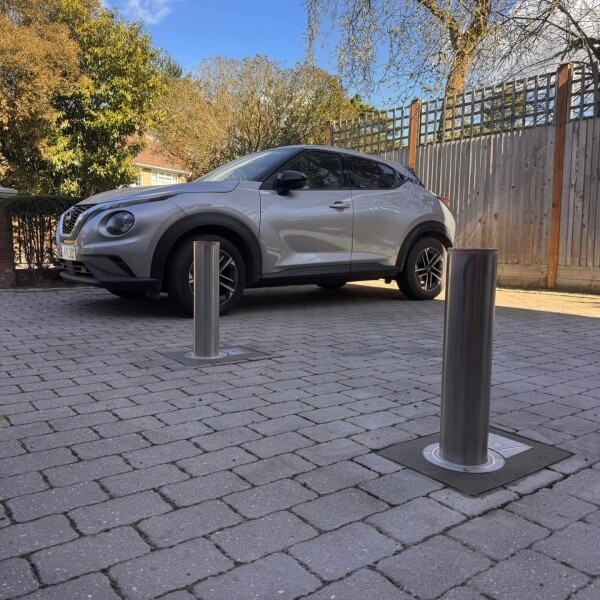
Reduced Electrical Requirements and Labor Costs
Another substantial area of savings stems from the simplified electrical requirements:
- **Low Voltage Systems**: Many battery-powered bollards operate on low-voltage systems (e.g., 36V). This is a critical distinction, as low-voltage installations often fall below the threshold that requires a licensed electrician in many jurisdictions. This means that a competent handyman or an in-house facilities team can often handle the electrical connections, bypassing the need for expensive specialized electrical contractors [2]. This alone can save $100–$200 per unit in electrical labor costs.
- **No Mains Power Connection**: The absence of a direct connection to the mains power supply eliminates the need for complex electrical tie-ins, panel upgrades, and associated permitting processes that are common with high-voltage wired systems. This reduces both direct costs and administrative overhead.
Flexibility in Placement and Scalability
The independence from fixed power sources grants battery-powered bollards unparalleled flexibility in placement. They can be installed in locations where running power would be prohibitively expensive, technically challenging, or environmentally disruptive. This opens up new possibilities for security and access control in remote areas, temporary installations, or sites with complex underground utilities. Furthermore, the modular nature of battery-powered units simplifies scalability; adding or relocating bollards becomes a far less complex and costly undertaking, as each unit is self-contained.
Beyond Installation: Long-Term Cost Savings and Operational Benefits
The economic advantages of battery-powered bollards extend well beyond the initial installation phase, contributing to a lower total cost of ownership (TCO) over their operational lifespan. These long-term savings and operational benefits further solidify their value proposition as a modern access control solution.
Lower Energy Consumption and Costs
Wired bollards, by their nature, draw continuous power from the grid, leading to ongoing electricity costs that can accumulate over time. Annual energy costs for a wired unit can range from $50 to $150, depending on local electricity rates and the frequency of operation [1]. Battery-powered bollards, especially those integrated with solar charging capabilities, can operate with near-zero energy costs. While they do require battery replacement every 3-5 years (typically $200-$400 per unit), this is a predictable and budgetable expense, unlike the variable and often high costs associated with repairing underground cable faults in wired systems [1]. The shift from variable, ongoing utility expenses to predictable, periodic maintenance costs offers greater financial control and foresight.
Reduced Maintenance Risks and Costs
One of the most compelling long-term benefits is the significant reduction in maintenance risks and associated costs. Wired systems are inherently vulnerable due to their underground infrastructure:
- **Protection from Accidental Damage**: Underground cables are susceptible to damage from unrelated construction work, landscaping activities, or even rodent infestations. Such damage can lead to system failures, requiring costly and disruptive excavation to locate and repair the fault. The absence of underground power cables in battery-powered systems completely eliminates this risk.
- **Elimination of Water Ingress Issues**: Junction boxes and cable connections in wired systems are prone to water ingress, which can cause electrical shorts, corrosion, and system malfunctions. Battery-powered units, with their self-contained design, mitigate this common point of failure.
While both wired and battery-powered systems share similar mechanical components (e.g., hydraulic mechanisms), making their mechanical maintenance costs comparable, the elimination of infrastructure-related risks in battery systems translates into substantial savings on unforeseen repairs and downtime.
Enhanced Reliability and Resilience
Battery-powered bollards offer enhanced operational reliability, particularly in scenarios where power outages are a concern. Unlike wired systems that cease to function during a grid power failure (unless equipped with expensive backup power solutions), battery-powered units continue to operate independently. This inherent resilience ensures continuous security and access control, which is critical for sensitive sites or during emergencies. The ability to function autonomously provides an additional layer of operational continuity and peace of mind.
Environmental Considerations
Beyond the direct financial benefits, battery-powered bollards, especially when paired with solar charging, offer significant environmental advantages. By reducing reliance on grid electricity and minimizing ground disturbance during installation, they contribute to a smaller carbon footprint and promote sustainable infrastructure development. This aligns with growing corporate and public demand for environmentally responsible solutions.
Addressing Common Concerns and Future Outlook
While the advantages of battery-powered bollards are clear, potential users may have concerns regarding battery life, performance, and initial unit cost. Modern battery technology has advanced significantly, offering extended lifespans and robust performance even in demanding conditions. The predictable replacement cycle allows for proactive maintenance planning, minimizing unexpected downtime. Furthermore, while the unit cost of a battery-powered bollard might sometimes be slightly higher than a basic wired unit, the comprehensive savings in installation and long-term maintenance often result in a significantly lower total cost of ownership, making them a more economically viable choice in many scenarios [1].
The future of automatic bollards is increasingly leaning towards self-sufficient, modular systems. As battery technology continues to improve in efficiency, capacity, and cost-effectiveness, and as the demand for flexible, rapidly deployable security solutions grows, battery-powered bollards are poised to become the standard for a wide range of applications. Their ability to reduce installation complexities, lower operational costs, and enhance environmental sustainability makes them an intelligent investment for any organization seeking efficient and reliable access control.
Conclusion: A Smart Investment for Modern Security
In conclusion, the shift towards battery-powered automatic bollards represents a significant advancement in access control technology, primarily driven by their profound ability to reduce installation costs. By eliminating the need for extensive trenching, complex electrical wiring, and specialized labor, these systems offer immediate and substantial savings during the deployment phase. The streamlined installation process not only cuts down on civil engineering expenses and electrical contractor fees but also accelerates project timelines, minimizing disruption and allowing for quicker operational readiness.
Beyond the initial setup, battery-powered bollards continue to deliver economic benefits through lower energy consumption, reduced maintenance risks associated with underground infrastructure, and enhanced operational resilience. While the initial unit cost might be a consideration, the holistic view of the total cost of ownership—factoring in installation, energy, and maintenance over a decade—reveals a compelling financial advantage for battery-powered solutions in most greenfield installations.
For organizations seeking to implement or upgrade their access control systems, battery-powered bollards offer a technologically advanced, economically prudent, and environmentally responsible choice. They provide a robust, flexible, and cost-effective solution that aligns with the demands of modern infrastructure development, ensuring both security and fiscal efficiency.