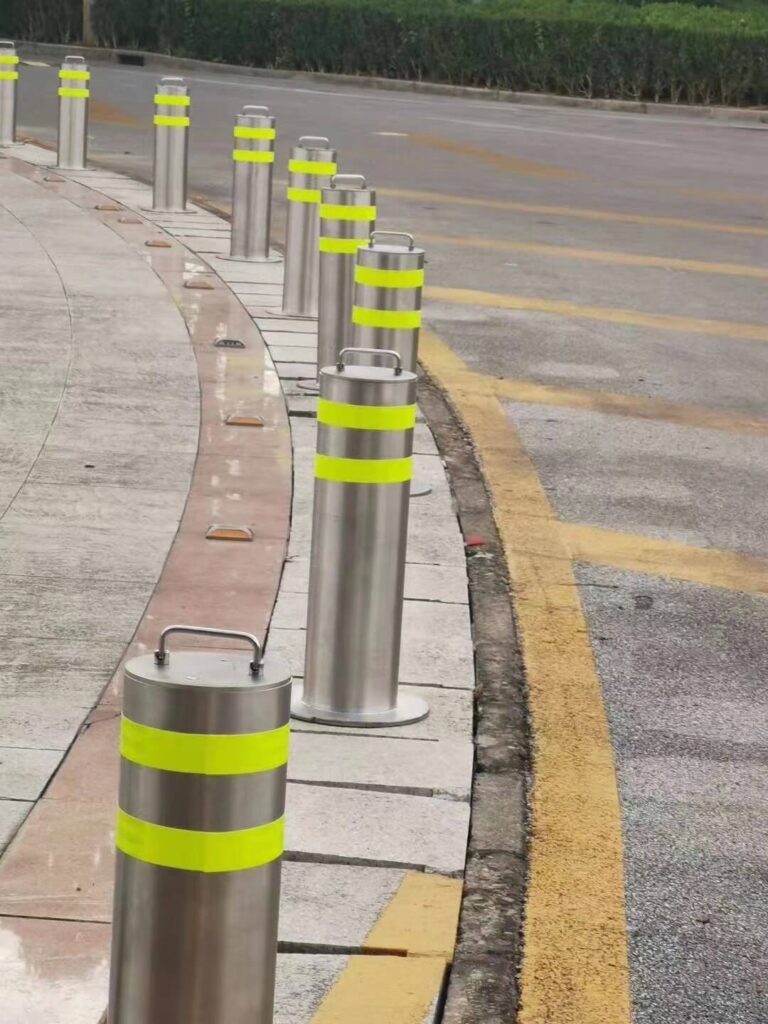
How do I stop people from turning around in my driveway?

You can install physical barriers like gates, bollards, or chains. Landscaping with shrubs or decorative rocks also helps. Adding signage such as “No U-Turn” or “Private Property” signs, and using security cameras or motion-activated lights can further deter drivers.
What kind of pipe is used for bollards?
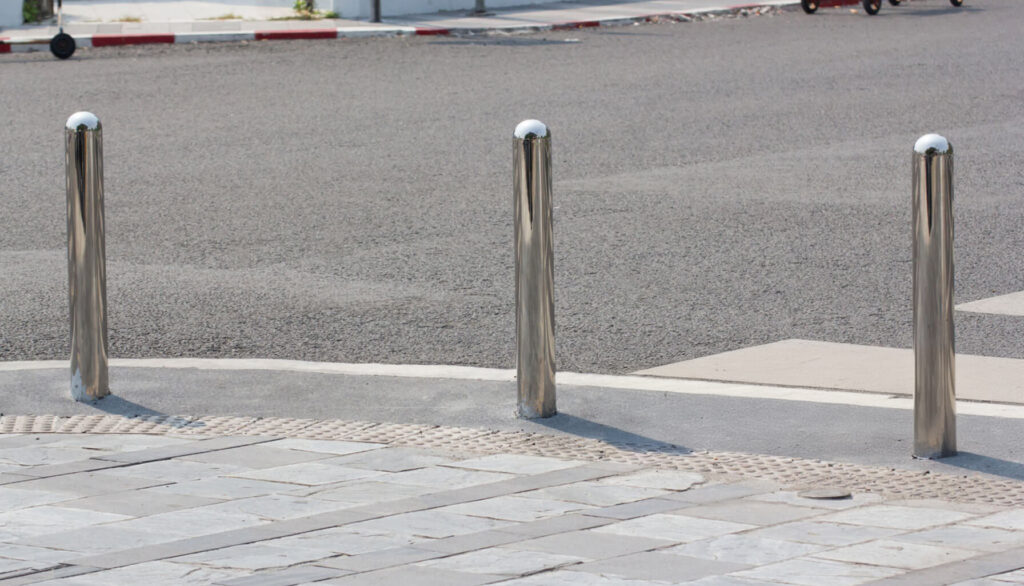
Steel pipes, such as Schedule 40 and Schedule 80, are commonly used for bollards due to their strength, durability, and versatility. Galvanized and powder-coated finishes prevent corrosion, and many bollards are filled with concrete to increase impact resistance.
Can bollards stop tanks?
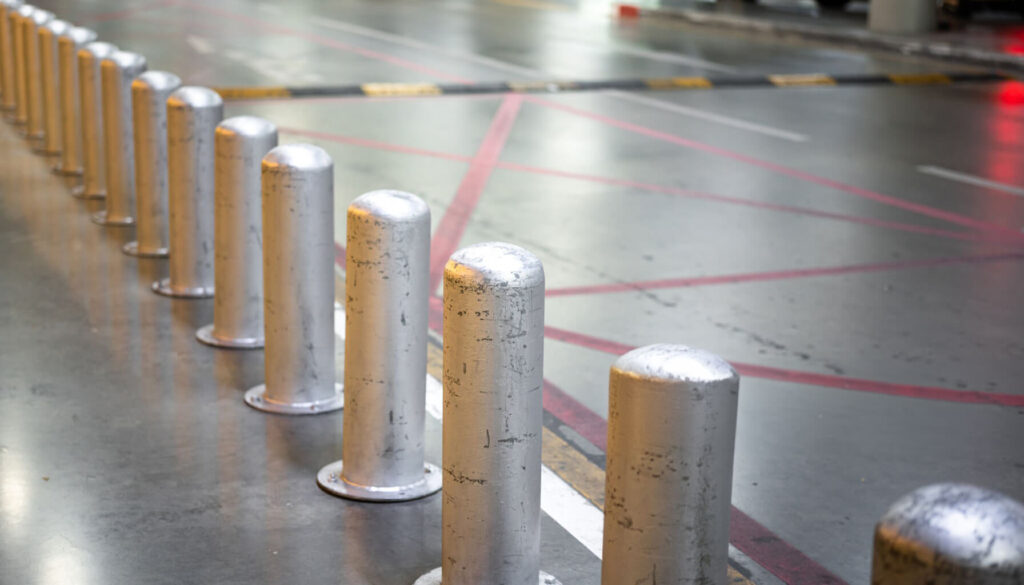
While bollards are highly effective at stopping trucks and civilian vehicles, they are not specifically designed to stop tanks. However, crash-rated bollards can slow or divert tanks under certain conditions, especially when part of a layered defense system.
What should be protected by bollards?

Bollards protect pedestrians, buildings, machinery, and sensitive infrastructure from vehicle collisions. They are essential in industrial facilities, public spaces, and commercial areas to enhance safety and prevent damage to valuable assets.
Why are bollards installed?
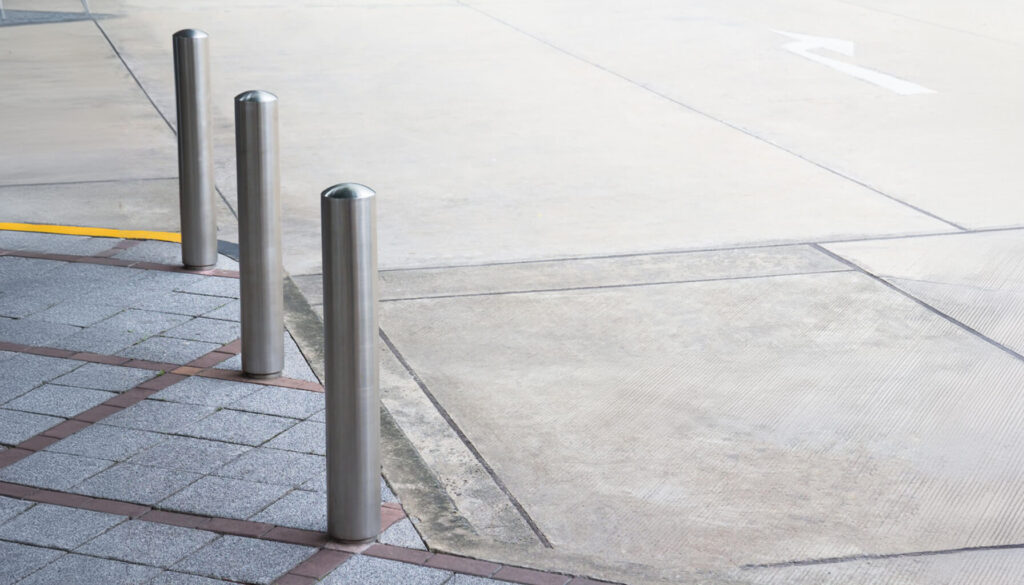
Bollards are installed to protect pedestrians, buildings, and vehicles. They control traffic, prevent unauthorized access, enhance security in high-risk areas, and improve pedestrian safety. Bollards also serve aesthetic purposes, blending functionality with design.
How are bollards powered?

Bollards are powered by electric motors for precise control, hydraulic systems for heavy-duty use, pneumatic systems using compressed air, and battery power for mobility. Each type is suited to specific security needs, use frequency, and environmental conditions.
What type of risk can a bollard protect against?

Bollards protect against vehicle collisions, unauthorized access, and security threats like vehicular terrorism. They also safeguard pedestrians, guide traffic, and prevent accidental intrusions, making them crucial for both security and traffic management.
How do bollards go up and down?

Automatic bollards use hydraulic, pneumatic, or electric systems to raise and lower. Hydraulic uses fluid, pneumatic relies on compressed air, and electric uses motors. Manual bollards require physical lifting, with semi-automatic versions assisted by springs.
Can i put bollards outside my house?

Yes, you can install bollards outside your house, but you must ensure compliance with local regulations. It’s essential to confirm your property boundaries, obtain any necessary permissions, and choose the right type of bollards to enhance security while maintaining aesthetic appeal.